
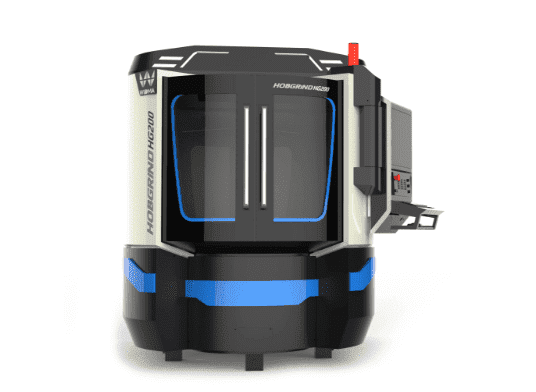
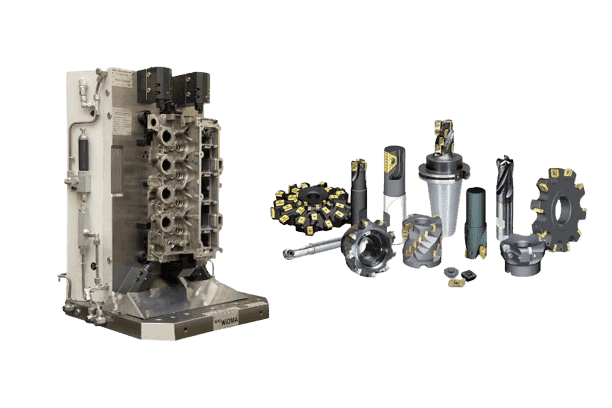

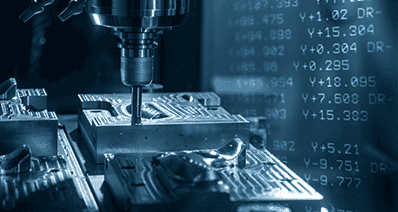
Precision machining is the backbone of modern manufacturing, where even the smallest deviation can affect part performance, assembly alignment, and product reliability. Industries such as automotive, aerospace, heavy engineering, and energy rely heavily on accurate machining processes to produce components that meet strict tolerance requirements.
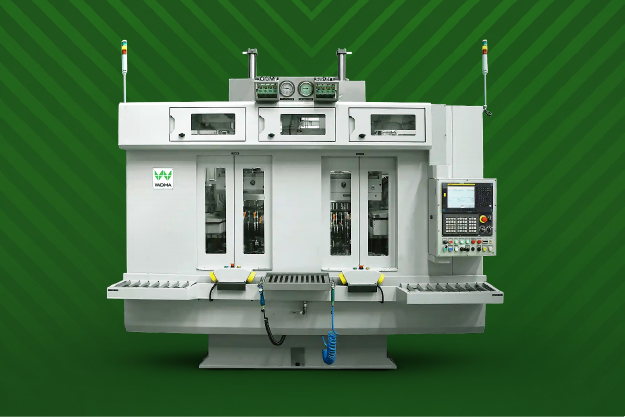
One of the most effective ways to ensure consistent accuracy during machining operations is through the use of centering machines. These machines play a critical role in preparing workpieces for turning and other operations by establishing accurate center points before machining begins.
By ensuring proper alignment and balance, centering machines help manufacturers reduce vibration, improve dimensional accuracy, and maintain repeatability across large production runs.
What Are Centring Machines and How Do They Work?
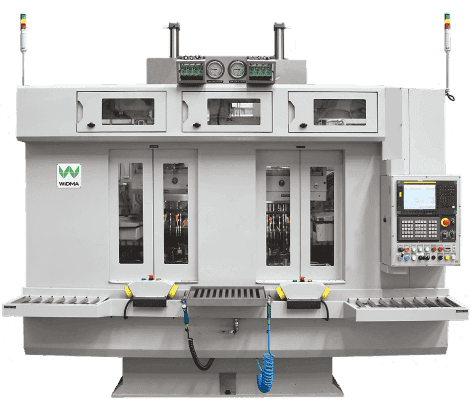
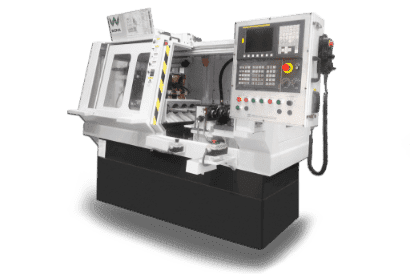
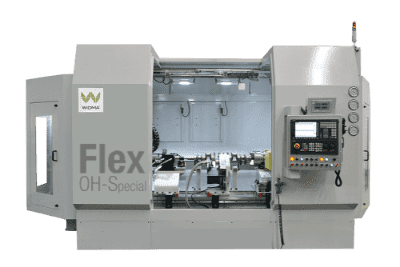
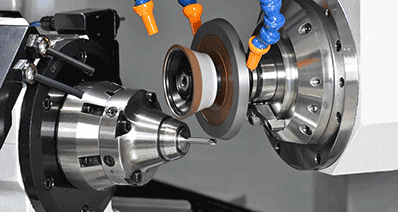
Centering machines are specialized machines used to create precise center holes at both ends of a workpiece before it undergoes turning, grinding, or other machining operations. These center holes act as reference points that guide the workpiece during machining, ensuring that the part rotates accurately along its intended axis.
The typical working process involves positioning the workpiece between machine fixtures and drilling precise center holes using specialized tools. Once the center holes are created, the workpiece can be mounted accurately on machines such as a centre lathe machine or advanced turning centers.
This initial centering process ensures that the workpiece remains properly aligned during machining, which significantly reduces runout and improves the stability of the cutting operation.
Centering machines are particularly important when machining long shafts, cylindrical components, and parts requiring high concentricity.
Role of Centring Machines in Improving Precision Machining Accuracy
In precision manufacturing environments, even slight misalignment during setup can lead to dimensional errors and inconsistent machining results. Centering machines help eliminate these issues by establishing a reliable reference point before machining begins.
Improved Repeatability Across High-Volume Production
One of the most significant benefits of centering machines is the ability to maintain consistent positioning of workpieces across multiple production cycles. This repeatability is crucial in high-volume manufacturing where thousands of parts must meet identical specifications.
By ensuring consistent centering, manufacturers can maintain stable machining conditions and achieve reliable results across production batches.
Reduced Runout and Vibration During Turning Operations
Improperly centered workpieces often lead to runout during rotation, causing vibration and inconsistent cutting forces. This not only affects part accuracy but can also reduce tool life.
Accurate centering minimizes these issues, allowing smoother turning operations and improved machining stability.
Better Surface Finish and Dimensional Consistency
When a workpiece is properly centered, cutting tools engage the material uniformly throughout the machining process. This leads to improved surface finishes and tighter dimensional control.
As a result, components produced using centering machines exhibit better consistency and require less post-machining correction.
Heavy Engineering and High-Tolerance Component Manufacturing
Industries that manufacture large shafts, rotors, or precision cylindrical components rely heavily on centering machines. These machines enable manufacturers to maintain the high accuracy required in heavy engineering and high-tolerance component production.
Choosing the Right Centering Machines for Precision Machining
Selecting the right centering machine is essential for achieving optimal machining accuracy and productivity. Several factors should be considered when evaluating centering solutions.
Accuracy Requirements Based on Component Tolerance Levels
Different applications require different levels of precision. For components with extremely tight tolerances, centering machines must deliver highly accurate center hole positioning to support subsequent machining operations.
Understanding tolerance requirements helps manufacturers choose machines capable of meeting those specifications.
Evaluating Machine Automation and CNC Capabilities
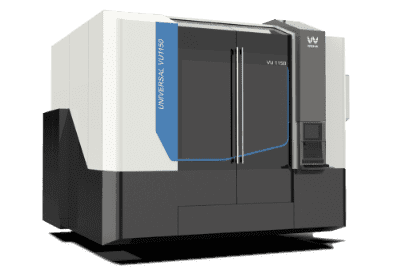
Modern centering machines often integrate CNC capabilities for improved accuracy and automation. A CNC machine centre environment benefits greatly from automated centering processes, which reduce manual setup errors and improve production efficiency.
Automation also allows manufacturers to maintain consistent quality across large production volumes.
Matching Centering Machines to Production Volume and Material Type
Manufacturers must consider production volume and material properties when selecting centering machines. High-volume operations may require automated machines capable of continuous production, while different materials may require specialized tooling and machine rigidity.
Choosing the right configuration ensures both productivity and machining stability.
Future of Precision Machining with Advanced Centering Machines
As manufacturing continues to evolve toward smarter and more automated production environments, centering technology is also advancing rapidly.
AI-Driven Automation for Faster and Error-Free Centering
Artificial intelligence and machine learning are beginning to influence machining processes, including centering operations. These technologies can help optimize machine parameters and reduce setup errors, leading to faster and more reliable centering.
Role of Advanced CNC Machine Centre in Zero-Defect Manufacturing
Modern CNC machine centre platforms are increasingly integrated with intelligent monitoring systems and automation tools. When combined with accurate centering processes, these technologies help manufacturers move closer to zero-defect manufacturing environments.
Reduced Setup Time and Improved Shopfloor Productivity
Automated centering solutions significantly reduce setup time, allowing operators to prepare workpieces faster and with greater accuracy. This improvement directly impacts shopfloor productivity and overall operational efficiency.
Supporting High-Precision Applications Across Industries
Advanced centering machines are becoming essential in industries that demand extremely high levels of precision. From aerospace shafts to automotive drivetrain components, these machines ensure that parts meet strict quality standards while maintaining efficient production workflows.
Conclusion
Accuracy in precision machining begins long before the cutting tool touches the material. Proper workpiece preparation is essential for maintaining stability, alignment, and dimensional consistency throughout the machining process.
Centering machines play a critical role in achieving these outcomes by establishing precise reference points that guide subsequent machining operations. By reducing runout, improving repeatability, and enabling stable cutting conditions, these machines help manufacturers achieve higher-quality components and more efficient production processes.
As machining technology continues to advance, centering machines will remain an essential part of precision manufacturing strategies across industries.
FAQ
1. What are centering machines, and why are they important in precision machining?
Centering machines create precise center holes that help align workpieces accurately during turning and other machining operations.
2. How do centering machines improve accuracy in CNC machining operations?
They establish precise reference points that reduce runout, improve stability, and maintain consistent alignment during machining.
3. How accurate are centering machines compared to manual centering methods?
Centering machines provide significantly higher accuracy and repeatability than manual methods, especially in high-volume production.
4. Which industries benefit most from using centering machines for precision machining?
Industries such as automotive, aerospace, heavy engineering, and energy manufacturing benefit from the improved accuracy provided by centering machines.
5. How do I choose the right centering machines for precision machining applications?
The choice depends on component tolerance requirements, production volume, material type, and the level of automation needed.