

Modern manufacturing demands extremely high levels of precision, efficiency, and repeatability. From automotive and aerospace components to heavy engineering parts, manufacturers must consistently produce complex geometries while maintaining tight tolerances. In this environment, milling machines, particularly CNC-based systems, have become essential for achieving accurate and scalable production.
CNC milling technology has transformed machining by combining automation, digital controls, and multi-axis capabilities. These machines enable manufacturers to produce intricate components with minimal manual intervention, ensuring consistent quality and improved productivity across production cycles.
As industries continue to adopt advanced manufacturing practices, CNC milling remains a cornerstone technology in precision machining.
Understanding CNC Milling Machines and Their Role in Modern Manufacturing
What Are CNC Milling Machines and How Do They Work?
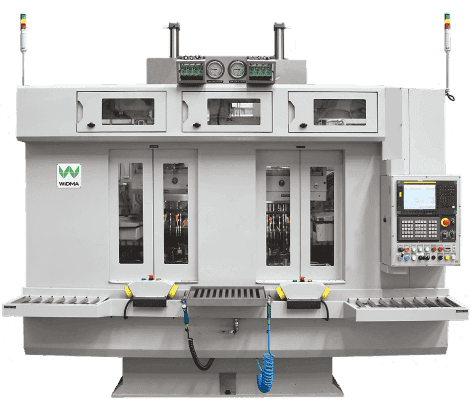
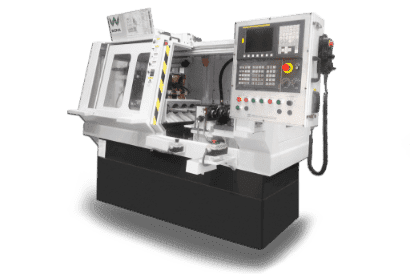
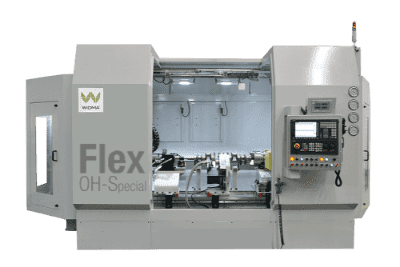
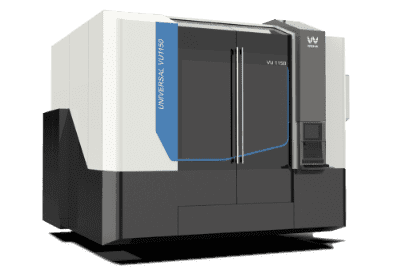
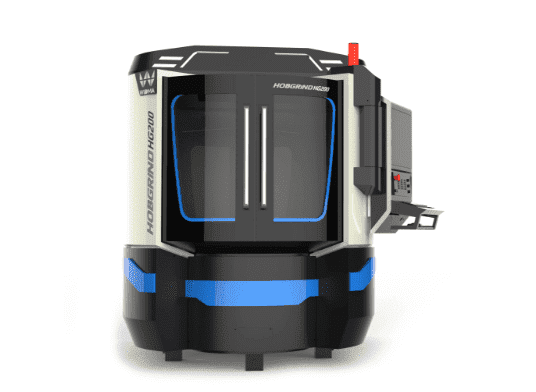
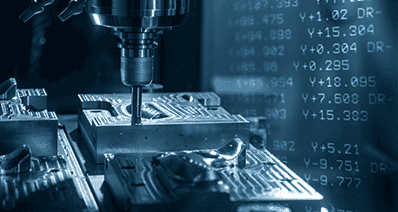
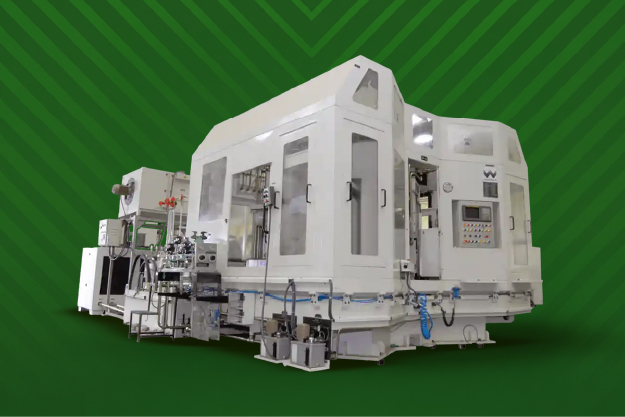
A CNC milling machine is a computer-controlled machining tool used to remove material from a workpiece using rotating cutting tools. The machine follows programmed instructions to perform operations such as drilling, slotting, contouring, and shaping.
The process begins with a digital design created using CAD software. This design is converted into machine-readable instructions that guide the cutting tool along precise paths. As a result, the machine can produce highly accurate parts repeatedly with minimal operator input.
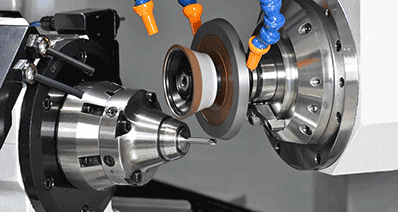
In many machining setups, CNC milling machines work alongside equipment such as a centre lathe machine to perform multiple manufacturing operations within a single production environment.
Evolution of Milling Machines from Manual to CNC Automation
Traditional milling machines relied heavily on manual control, where operators adjusted feed rates, tool positions, and cutting paths. While effective for smaller tasks, manual systems were limited in terms of accuracy and scalability.
With the introduction of CNC automation, milling machines gained the ability to execute complex machining tasks with exceptional precision. Modern CNC milling systems now incorporate advanced control software, multi-axis movement, and automated tool changers, enabling manufacturers to produce complex components efficiently.
This evolution has significantly improved productivity and consistency in manufacturing operations.
Why Milling Machines Are Central to Precision Manufacturing
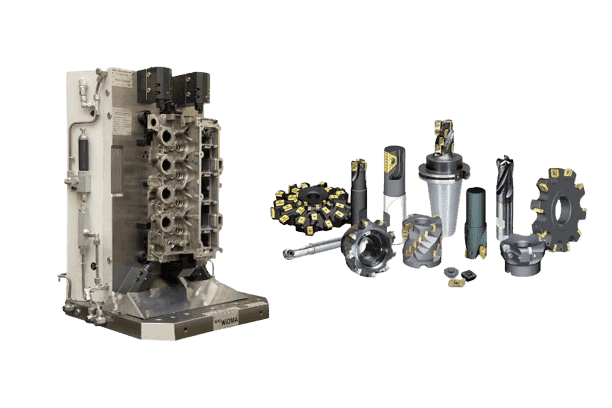
Precision machining requires stable cutting conditions, consistent tool paths, and accurate positioning. Milling machines play a central role in meeting these requirements because they can perform multiple machining operations within a single setup.
Their ability to process a wide range of materials, including aluminium, steel, and high-performance alloys, makes them indispensable across industries that require reliable and repeatable production processes
Types of CNC Milling Machines for Different Production Needs
Different manufacturing applications require different types of CNC milling machines. Each configuration is designed to address specific production requirements.
Vertical Milling Machines for High-Accuracy Parts
Vertical milling machines are among the most commonly used CNC machines in manufacturing. In this configuration, the spindle is oriented vertically, allowing precise cutting operations on flat surfaces and complex shapes.
These machines are widely used for producing precision parts where dimensional accuracy and surface finish are critical.
Horizontal Milling Machines for Heavy-Duty Applications
Horizontal milling machines are designed for heavy-duty machining tasks that involve large workpieces and significant material removal. Their horizontal spindle orientation allows for efficient chip evacuation and improved cutting stability.
These machines are particularly useful in heavy engineering and industrial component manufacturing.
3-Axis, 4-Axis, and 5-Axis Milling Machines Explained
Modern CNC systems operate across multiple axes to enable complex machining operations.
- 3-axis machines move the cutting tool along three linear directions.
- 4-axis machines introduce rotational movement, improving machining flexibility.
- 5-axis machining allows simultaneous movement across five axes, enabling highly complex geometries to be produced in a single setup.
Advanced multi-axis machining significantly reduces the need for repositioning, which improves accuracy and reduces production time.
How CNC Milling Machines Enhance Production Precision
CNC milling technology provides several advantages that directly improve machining accuracy and manufacturing efficiency.
Achieving Tight Tolerances with Advanced Milling Machines
Modern milling machines are designed with rigid structures, high-speed spindles, and precision control systems. These features enable manufacturers to achieve extremely tight tolerances required for high-performance components.
Consistency and Repeatability in High-Volume Manufacturing
Automation ensures that each machining cycle follows the same programmed instructions. This level of repeatability allows manufacturers to produce thousands of identical parts without compromising quality.
Such consistency is particularly important in industries like automotive and aerospace, where component uniformity is critical.
Surface Finish Quality Improvements Using CNC Milling
CNC-controlled tool movement ensures smoother cutting paths and stable machining conditions. This results in superior surface finishes and reduced need for secondary finishing processes.
Error Reduction Through Automation and Digital Controls
Digital controls reduce the possibility of human error during machining operations. Automated tool changes, real-time monitoring, and intelligent machining strategies help maintain consistent production quality while minimizing defects.
Conclusion
Precision machining continues to evolve as manufacturers adopt more advanced technologies to meet increasing performance demands. CNC-based milling machines play a vital role in enabling accurate, repeatable, and efficient production across multiple industries.
With capabilities such as multi-axis movement, automation, and digital control systems, CNC milling machines help manufacturers produce complex components with high accuracy and improved productivity. As manufacturing technologies continue to advance, CNC milling will remain a critical part of modern machining strategies.
FAQ
1. What are CNC milling machines, and how do they improve production precision?
CNC milling machines use computer-controlled cutting tools to remove material from workpieces with high accuracy and repeatability.
2. How do milling machines ensure consistent accuracy in high-volume manufacturing?
Automation and digital control systems allow milling machines to follow identical machining instructions for every production cycle.
3. What industries benefit most from using CNC milling machines?
Industries such as automotive, aerospace, energy, heavy engineering, and general manufacturing benefit from CNC milling technology.
4. What types of milling machines are best for precision component manufacturing?
Vertical milling machines, horizontal milling machines, and multi-axis CNC systems are commonly used for precision component production.
5. What is a Lathe Milling Machine?
A lathe milling machine combines turning and milling capabilities in a single setup, enabling multiple machining operations on one platform.