



In precision manufacturing, machining accuracy is only as good as the condition of the cutting tools. Even the most advanced CNC machines cannot compensate for worn or inconsistent tool geometry. This is why tool regrinding plays a critical role in maintaining dimensional accuracy, surface finish, and process stability across production cycles.
As production volumes increase and tolerances become tighter, manufacturers are recognising that systematic tool regrinding is not a maintenance activity, but a core part of machining quality control.
Understanding Tool Wear in Machining Operations
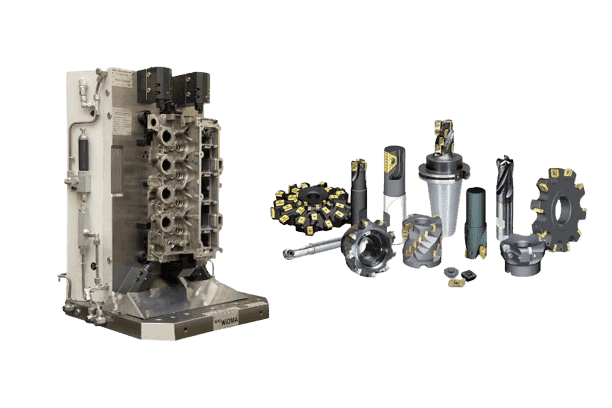
During machining, cutting tools are subjected to high temperatures, friction, and mechanical loads. Over time, this leads to edge wear, flank wear, crater formation, and loss of sharpness.
Uncontrolled tool wear directly affects machining accuracy. Hole sizes drift, surface finish deteriorates, and cutting forces increase. Without timely tool regrinding, these changes introduce variation into the process, increasing scrap rates and rework.
Understanding how tools wear is the first step in implementing an effective regrinding strategy.
What Is Tool Regrinding?
Tool regrinding is the process of restoring worn cutting tools to their original geometry by precisely grinding the cutting edges, relief angles, and profiles. Unlike simple sharpening, regrinding focuses on rebuilding the complete cutting geometry required for consistent machining performance.
This process applies to drills, end mills, reamers, and other rotary cutting tools. With proper regrinding, tools can deliver performance levels close to new, at a significantly lower cost.
How Tool Regrinding Impacts Machining Accuracy
Machining accuracy depends on predictable tool behaviour. When tools wear unevenly, they introduce variation in cutting forces and tool paths.
Regular tool regrinding ensures:
- Consistent cutting-edge geometry
- Stable chip formation
- Uniform material removal
- Predictable tool engagement
By restoring tools before excessive wear sets in, manufacturers maintain tight tolerances and dimensional repeatability across long production runs.
Role of Tool Regrinding in Surface Finish and Tolerance Control
Surface finish and dimensional tolerance are closely linked to tool condition. Dull or chipped tools generate vibration, heat, and inconsistent cutting action.
Through controlled tool regrinding, cutting edges regain their sharpness and correct relief angles. This improves surface finish, reduces burr formation, and stabilises tolerance control. For applications such as automotive, aerospace, and precision engineering, this consistency is essential for downstream assembly and performance.
Cost and Productivity Benefits of Tool Regrinding
Replacing tools prematurely increases tooling costs and disrupts production planning. Tool regrinding offers a more sustainable and cost-effective approach.
Key benefits include:
- Extended tool life
- Lower tooling expenditure
- Reduced unplanned downtime
- Improved machine utilisation
By integrating regrinding into the tooling lifecycle, manufacturers achieve better cost control without compromising accuracy or productivity.
Importance of Using the Right Regrinding Equipment
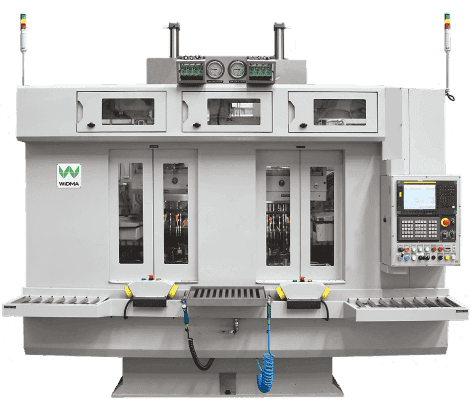
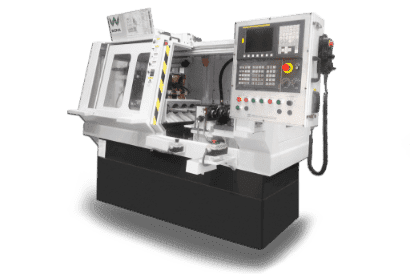
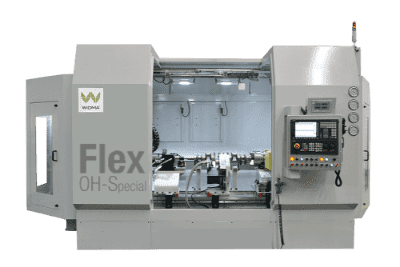
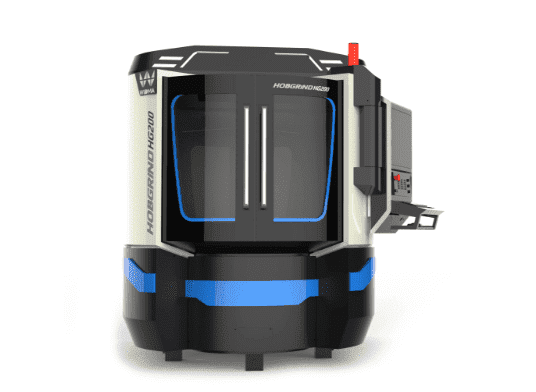
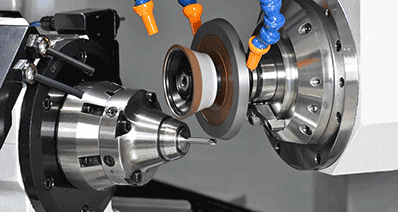
The effectiveness of regrinding depends heavily on the equipment used. A drill regrinding machine is specifically designed to restore drill geometry accurately, including point angle, clearance, and concentricity.
Advanced regrinding machines offer:
- Multi-axis control for complex geometries
- Consistent repeatability across batches
- Capability to handle carbide and HSS tools
Using the right machine ensures that regrinded tools perform reliably and meet machining requirements.
Tool Regrinding in High-Volume Production Environments
In high-volume manufacturing, even minor deviations in tool condition can lead to significant quality issues. Tool regrinding provides a controlled method to maintain uniform tool performance across thousands of parts.
Standardised regrinding schedules, combined with tool monitoring, help manufacturers maintain process stability. This approach is particularly important where machining operations are tightly linked to automated production lines.
Best Practices for Implementing Tool Regrinding
To maximise the benefits of tool regrinding, manufacturers should follow a structured approach:
- Monitor tool wear using defined criteria
- Regrind tools before performance drops sharply
- Use application-specific regrinding parameters
- Maintain records of regrinding cycles and tool life
These practices ensure consistent machining accuracy and predictable production outcomes.
Tool Regrinding as Part of a Quality Strategy
Rather than treating regrinding as a reactive task, leading manufacturers integrate tool regrinding into their overall quality and process control strategy.
When aligned with machining parameters, inspection processes, and preventive maintenance, regrinding becomes a proactive tool for maintaining accuracy, reducing variation, and improving long-term manufacturing performance.
Conclusion
Consistent machining accuracy depends on more than machine capability alone. Cutting tool condition plays an equally critical role. Through systematic tool regrinding, manufacturers can maintain precision, control surface finish, and stabilise production quality over time.
By investing in the right regrinding processes and equipment, including dedicated solutions like a drill regrinding machine, manufacturers ensure reliable machining performance while optimising tooling costs. In precision-driven manufacturing environments, tool regrinding is not optional—it is essential.