





Understanding CNC Tools and Their Role in Modern Machining
Modern manufacturing relies heavily on automation, accuracy, and repeatability. At the centre of this transformation are CNC tools, which enable machines to perform complex machining operations with exceptional precision. These tools are designed to remove material, shape components, and achieve tight tolerances required across industries such as automotive, aerospace, energy, and general engineering.
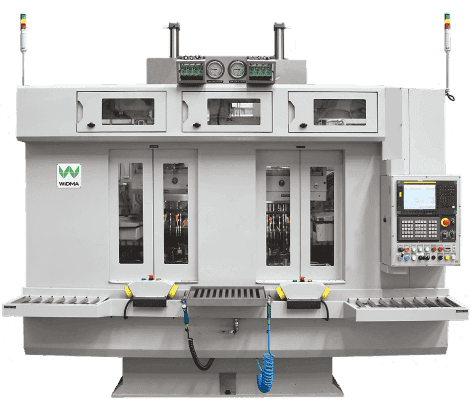
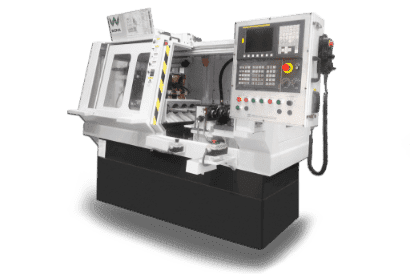
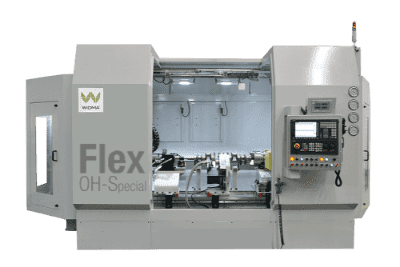
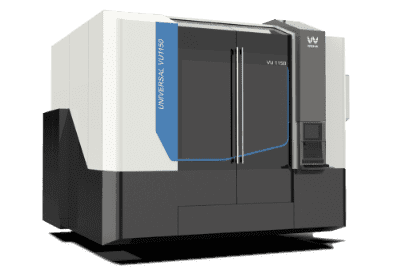
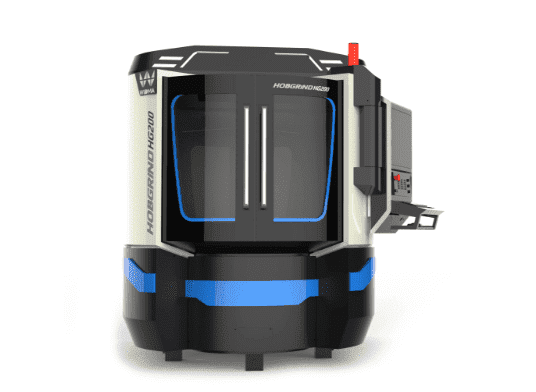
When integrated with a CNC machine, these tools allow manufacturers to execute advanced machining strategies with minimal manual intervention. The combination of digital control systems and specialised tooling ensures that machining operations remain consistent, efficient, and scalable for high-volume production environments.
How CNC Tools Support Complex and Multi-Axis Machining
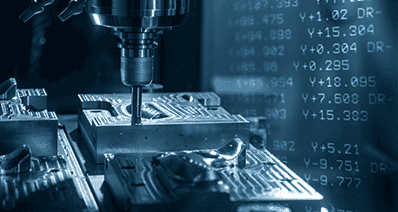
Modern machining processes often involve intricate geometries and multiple cutting paths. CNC tools are specifically designed to work with multi-axis CNC systems, allowing manufacturers to machine complex shapes in fewer setups.
Multi-axis machining enables the tool to approach the workpiece from different angles, reducing repositioning and improving dimensional accuracy. This capability is essential for producing sophisticated components used in high-performance industrial applications.
Impact of CNC Tool Quality on Productivity and Tool Life
The quality of machining tools directly affects production efficiency and operational costs. High-quality CNC tools maintain sharper cutting edges for longer periods, which reduces downtime caused by tool changes.
Durable tooling also improves consistency during machining operations, ensuring that parts produced across different production cycles maintain the same dimensional accuracy and surface finish.
CNC Tools vs Conventional Machining Tools
Traditional machining tools rely heavily on manual adjustments and operator experience. While they can perform basic operations effectively, they lack the precision and automation capabilities required in modern manufacturing.
In contrast, CNC tools are engineered for digital control systems and automated machining processes. They offer greater repeatability, higher accuracy, and improved efficiency when compared to conventional tools.
Importance of Tool Selection in Modern CNC Machining
Selecting the right tool for a machining operation is critical for achieving optimal results. Factors such as workpiece material, cutting speed, machining operation, and tolerance requirements must be considered when choosing CNC tooling.
Proper tool selection ensures smoother cutting operations, reduced wear, and improved overall machining performance.
CNC Tools Used in High-Precision Machining
Different machining operations require different types of tools. Each category of CNC tooling is designed to perform a specific function within the machining process.
Cutting CNC Tools for Material Removal and Shaping
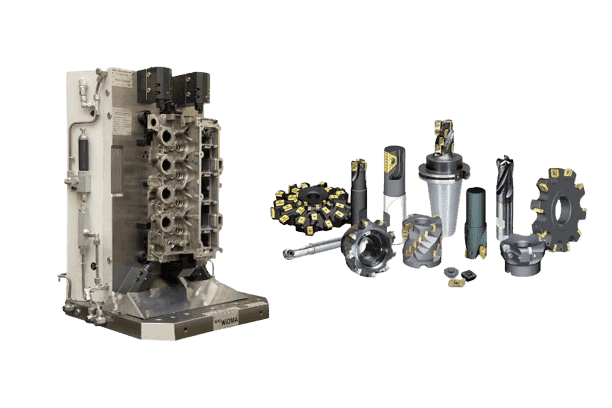
Cutting tools are responsible for removing material from the workpiece. These tools include inserts, cutters, and specialised tools designed for shaping components with high precision.
They are commonly used in machining processes where accurate dimensional control is required.
Drilling, Milling, and Turning CNC Tools Explained
Drilling tools are used to create holes, while milling tools remove material from flat or curved surfaces. Turning tools, on the other hand, are used on rotating workpieces to shape cylindrical components.
Together, these tools form the core of machining operations performed on modern CNC systems.
Finishing CNC Tools for Surface Accuracy and Tolerances
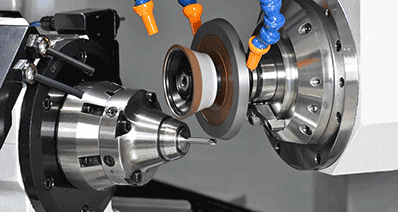
Finishing tools are designed to refine the surface of machined components after the primary cutting process. These tools help achieve the required surface finish and ensure that the final dimensions meet precise engineering specifications.
Tool Holders and Accessories That Enhance CNC Tool Performance
Tool holders play an important role in securing the cutting tool within the machine spindle. They ensure proper alignment and stability during machining operations.
Additional accessories, such as collets and adapters, also help improve machining accuracy by minimizing vibration and maintaining consistent tool positioning.
How CNC Machine Tools Improve Machining Accuracy and Efficiency
The integration of advanced CNC machine tools with specialised tooling has transformed modern machining processes. These systems enable manufacturers to achieve greater precision, faster production cycles, and improved operational efficiency.
Role of CNC Tools in Achieving Tight Tolerances
One of the primary advantages of CNC machining is its ability to maintain extremely tight tolerances. CNC tools work in coordination with digital control systems to perform precise cutting movements, ensuring that every component meets strict dimensional requirements.
Reducing Machining Errors with the Right CNC Tools
Incorrect tool selection or poor-quality tooling can lead to machining errors such as dimensional inaccuracies or poor surface finishes. Using the right CNC tools minimizes these issues by ensuring stable cutting conditions and consistent machining performance.
CNC Tools and Cycle Time Optimization
Efficient machining processes rely on minimizing production cycle times. Advanced CNC tooling allows manufacturers to perform multiple machining operations quickly while maintaining accuracy.
Optimized tooling strategies can significantly reduce machining time, leading to improved production throughput.
Impact of Tool Geometry on Precision Machining
Tool geometry plays a critical role in machining efficiency. The angles, cutting edges, and shape of a tool influence chip formation, cutting forces, and surface finish quality.
Properly designed tool geometry ensures smoother cutting operations and improved machining stability.
Advanced CNC Tools and Emerging Machining Trends
As manufacturing technology continues to evolve, CNC tooling is becoming more advanced and intelligent. Modern innovations are helping manufacturers improve productivity and adapt to increasingly complex machining requirements.
Smart CNC Tools and Sensor-Based Tool Monitoring
Smart tooling systems now incorporate sensors that monitor tool wear, cutting conditions, and machining performance in real time. This data helps manufacturers predict tool failure and optimize machining parameters.
High-Performance CNC Tools for Complex Geometries
Advanced cutting tools are capable of machining highly complex shapes and intricate features. These tools are essential for industries that require precision components with challenging geometries.
Multi-Axis Machining and Specialized CNC Tools
Multi-axis machining environments require specialised tools capable of maintaining stability across different cutting directions. These tools allow manufacturers to machine complex parts in fewer setups while maintaining accuracy.
Future Innovations Shaping the CNC Tools Industry
Emerging technologies such as digital monitoring, advanced materials, and AI-driven machining strategies are expected to further improve CNC tooling performance. These innovations will continue to enhance manufacturing efficiency and machining precision in the years ahead.
Conclusion
In modern manufacturing, CNC tools serve as the backbone of efficient and high-precision machining processes. Their ability to perform complex operations with accuracy and consistency makes them indispensable across a wide range of industrial applications.
When combined with advanced CNC machine tools, these tools enable manufacturers to produce high-quality components, optimize production efficiency, and maintain reliable machining performance. As machining technologies continue to evolve, CNC tooling will remain a critical factor in achieving precision-driven manufacturing outcomes.
FAQ
1. What are CNC tools, and how do they work in precision machining?
CNC tools are cutting tools designed to operate with computer-controlled machines to remove material and produce precise components.
2. Why are CNC tools essential for high-precision and efficient manufacturing?
They allow automated machining processes to achieve consistent accuracy, improved productivity, and repeatable results.
3. What types of CNC tools are commonly used in CNC machining operations?
Common CNC tools include cutting tools, drilling tools, milling cutters, turning tools, finishing tools, and tool holders.
4. How do CNC tools improve machining accuracy and repeatability?
CNC tools operate with programmed machining paths, ensuring each part is produced with identical dimensions and high precision.
5. What are common mistakes to avoid when selecting CNC tools?
Common mistakes include choosing incorrect tool geometry, ignoring material compatibility, and using low-quality tooling that may reduce machining accuracy.