
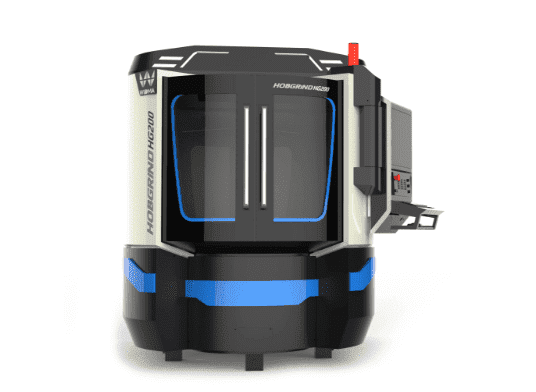
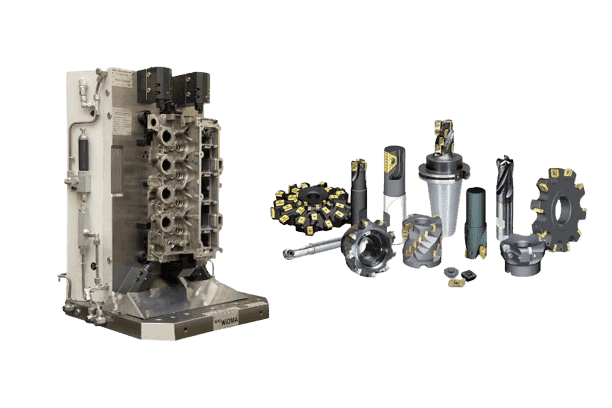

The automotive industry operates under constant pressure to deliver higher performance, improved safety, and consistent quality at scale. In this environment, automotive parts manufacturing has evolved from conventional machining methods to highly controlled, technology-driven processes. CNC solutions have become central to this transformation, enabling manufacturers to produce complex automotive components with exceptional accuracy, repeatability, and efficiency. For automotive parts manufacturing companies, CNC technology is no longer a support function but a core production capability.
Understanding CNC Solutions in Automotive Manufacturing
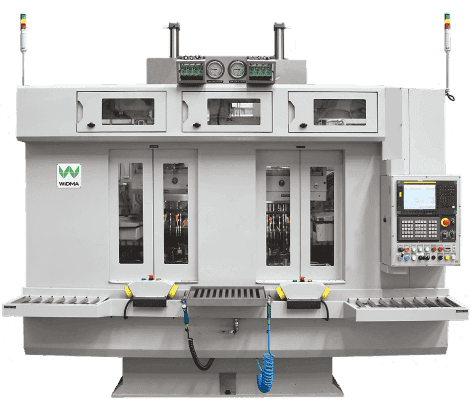
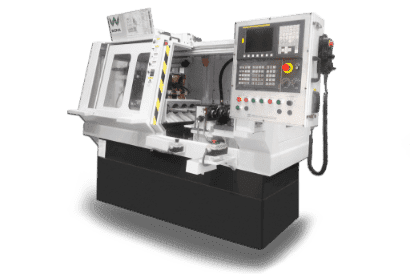
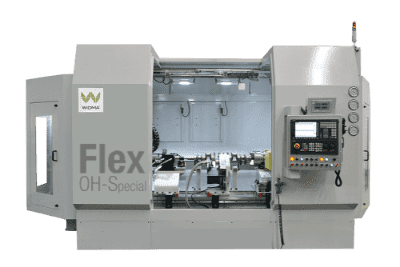
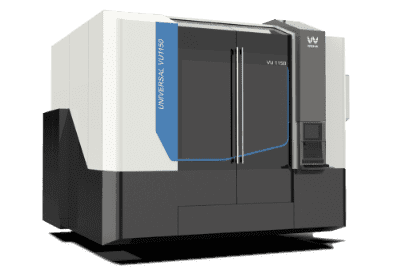
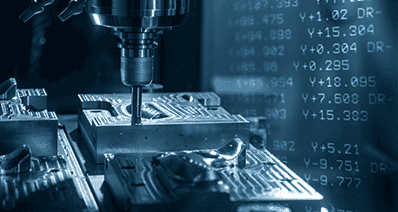
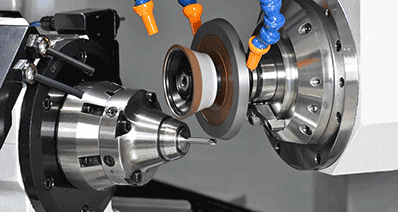
CNC solutions refer to the use of computer numerical control systems to automate machining operations such as turning, milling, drilling, and grinding. In automotive parts manufacturing, CNC machines follow programmed instructions to produce components with tight tolerances and consistent geometry.
Unlike manual or semi-automatic machines, CNC solutions ensure that every part is manufactured under the same controlled conditions. This level of precision is essential for automotive applications, where even minor dimensional variations can affect performance, safety, and durability. As vehicle designs become more complex, CNC solutions provide the reliability required to meet evolving engineering standards.
Why Precision Matters in Automotive Parts Manufacturing
Precision is fundamental to the performance and reliability of vehicles. Modern engines, transmissions, and chassis systems rely on accurately machined interfaces to function efficiently. In automotive parts manufacturing, precision directly impacts noise levels, fuel efficiency, emissions, and component life.
- Tight tolerances ensure proper fit and assembly of automotive components
- Dimensional accuracy reduces wear and friction in moving parts
- Consistent geometry supports predictable performance across production batches
- Precision machining helps meet stringent regulatory and quality requirements
CNC solutions enable automotive parts manufacturing companies to achieve this level of precision consistently, even in high-volume production environments.
Key CNC Capabilities That Enable Precision
CNC solutions deliver precision in automotive parts manufacturing through a combination of advanced machine design, control systems, and process integration. These capabilities work together to eliminate variability and enhance process stability.
| CNC Capability | Role in Precision Manufacturing |
|---|---|
| High-Accuracy CNC Controls | Execute machining paths with micron-level accuracy |
| Rigid Machine Structures | Minimise vibration and thermal distortion |
| Multi-Axis Machining | Enable complex geometries in a single setup |
| In-Process Measurement | Detect and correct deviations during machining |
| Tool Monitoring Systems | Maintain consistent cutting performance |
These capabilities allow automotive components to be produced with uniform quality across large production volumes.
CNC Solutions Across Automotive Components
CNC technology is widely applied across a broad range of automotive components, from powertrain parts to structural elements. Each application benefits from the precision and repeatability that CNC solutions provide.
- Engine blocks, cylinder heads, and crankshafts require tight tolerances for efficient combustion and durability
- Transmission housings and gears demand precise alignment to reduce noise and wear
- Suspension and steering components rely on accurate machining for safety and handling
- Brake components require dimensional consistency to ensure reliable stopping performance
By supporting these applications, CNC solutions form the backbone of modern automotive parts manufacturing.
Benefits for Automotive Parts Manufacturing Companies
For automotive parts manufacturing companies, CNC solutions deliver benefits that extend beyond precision alone. They improve overall manufacturing performance and competitiveness.
- Higher productivity through reduced cycle times and minimal rework
- Consistent quality across shifts and production batches
- Lower scrap rates due to controlled machining conditions
- Improved scalability to meet fluctuating production demand
- Enhanced traceability and process documentation for audits
These advantages allow automotive parts manufacturing companies to meet OEM expectations while maintaining cost efficiency and operational stability.
Role of CNC Solutions in High-Volume Automotive Production
Automotive manufacturing often involves high-volume production with strict delivery schedules. CNC solutions support this requirement by enabling stable, repeatable processes that run continuously with minimal intervention.
- Automated CNC lines reduce dependency on manual handling
- Standardised programs ensure identical output across multiple machines
- Integrated inspection systems prevent defect propagation
- Predictable cycle times simplify production planning
In high-volume automotive parts manufacturing, CNC solutions ensure that speed does not come at the cost of accuracy.
CNC Solutions and the Shift Toward Advanced Vehicles
As the automotive industry transitions toward electric, hybrid, and connected vehicles, machining requirements are becoming more demanding. New materials, tighter tolerances, and complex designs are reshaping automotive parts manufacturing.
CNC solutions are well-suited to this shift because they offer flexibility alongside precision. Programs can be updated to accommodate new designs, while multi-axis machining enables compact and lightweight component geometries. For manufacturers of next-generation automotive components, CNC solutions provide a future-ready production platform.
Conclusion
Precision is the foundation of modern automotive parts manufacturing, and CNC solutions play a critical role in achieving it. By combining advanced control systems, rigid machine platforms, and intelligent process integration, CNC technology enables the consistent production of high-quality automotive components. For automotive parts manufacturing companies, CNC solutions deliver not only accuracy but also productivity, scalability, and long-term manufacturing confidence. As automotive engineering continues to evolve, CNC-driven precision will remain central to competitive and reliable vehicle production.
At WIDMA, we bring over 40 years of industry leadership in delivering customised machining solutions tailored to complex manufacturing needs. With 4,000+ installations worldwide, our experience and scale enable us to consistently support customers with reliable, production-ready solutions across industries.
Frequently Asked Questions on CNC Solutions in Automotive Manufacturing
- Why are CNC solutions essential for automotive parts manufacturing?
CNC solutions provide the precision, repeatability, and process control required to manufacture automotive components that meet strict performance and safety standards. - Which automotive components benefit most from CNC machining?
Engine parts, transmission components, braking systems, and structural elements all rely heavily on CNC machining for dimensional accuracy and consistency. - Can CNC solutions support both high-volume and low-volume automotive production?
Yes. CNC solutions are suitable for high-volume production as well as flexible, medium-batch manufacturing due to their programmability and process stability. - How do CNC solutions improve quality for automotive parts manufacturing companies?
They eliminate manual variability, enable in-process inspection, and ensure consistent machining conditions, resulting in lower defect rates and better quality control. - Are CNC solutions adaptable to new automotive technologies?
CNC solutions are highly adaptable and can accommodate new materials, designs, and component requirements associated with electric and advanced vehicles.