
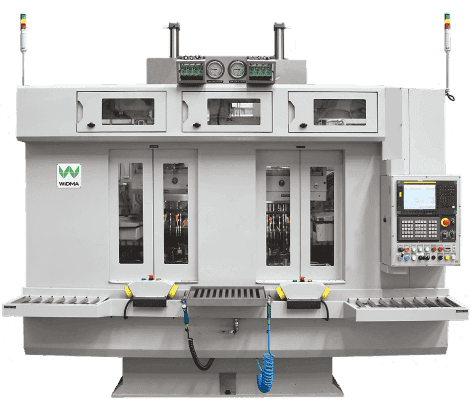
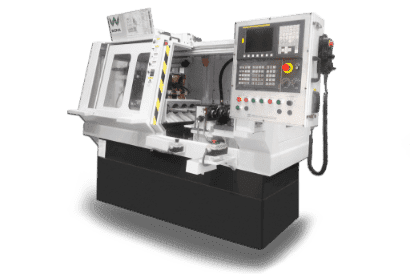
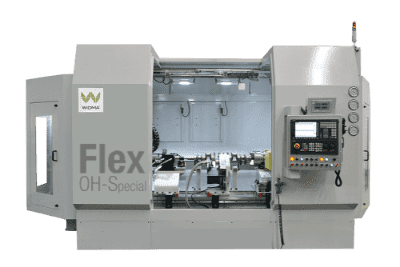
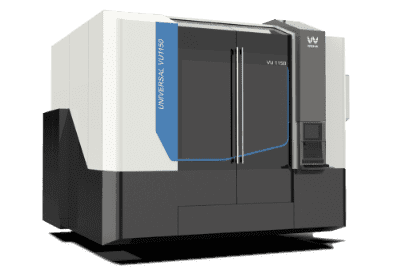
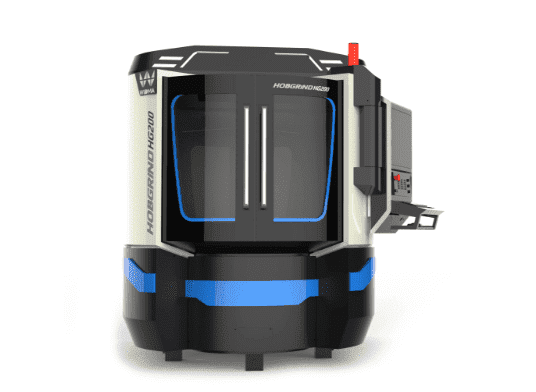
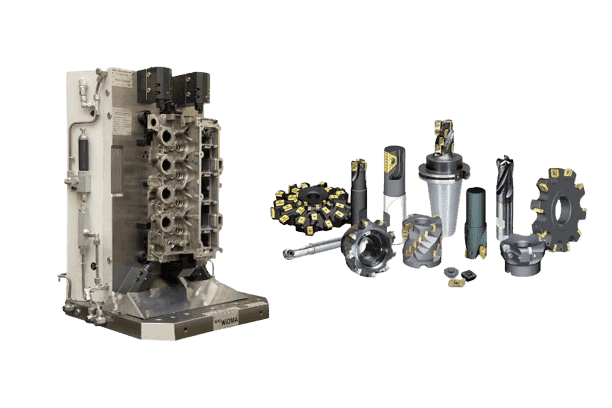

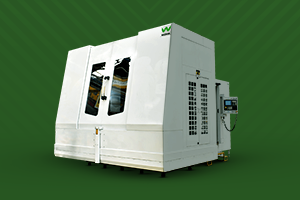
Mass production environments are under constant pressure to deliver higher output, tighter tolerances, and consistent quality, all while controlling operational costs. Deep hole drilling, traditionally considered a time-intensive and skill-dependent process, has undergone a significant transformation with the adoption of automation. Today, Automated drilling machines play a central role in streamlining deep hole drilling operations and enabling scalable, reliable production.
By combining precision mechanics with intelligent control systems, automated deep hole drilling machines are reshaping how manufacturers approach high-volume production across automotive, aerospace, hydraulics, and general engineering sectors.
The Challenges of Deep Hole Drilling in Mass Production
Deep hole drilling involves producing holes with high length-to-diameter ratios while maintaining strict requirements for straightness, surface finish, and dimensional accuracy. In manual or semi-automatic setups, this process often faces challenges such as:
- Long cycle times
- Inconsistent hole quality
- Operator-dependent variability
- Chip evacuation issues
- Higher risk of tool wear and breakage
These challenges become more pronounced in mass production, where even minor inefficiencies can lead to significant productivity losses. Automated drilling machines address these limitations by introducing consistency, speed, and process control into deep hole drilling operations.
What Makes Automated Deep Hole Drilling Machines Different
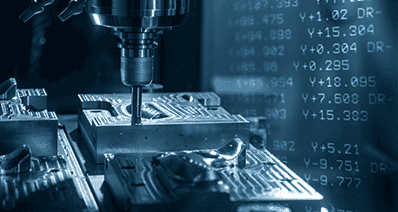
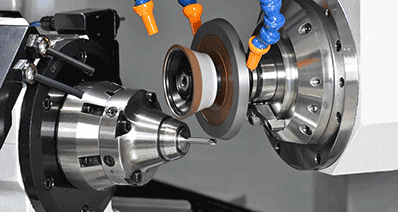
Unlike conventional machines, automated deep hole drilling systems integrate CNC controls, sensors, and auxiliary automation to manage the entire drilling cycle with minimal manual intervention. These Automated drilling machines are designed to control feed rates, spindle speeds, coolant pressure, and tool positioning in real time.
Automation ensures that every drilling cycle follows the same optimised parameters, regardless of shift changes or production volume. This repeatability is critical for maintaining quality in large-scale manufacturing environments.
Improving Productivity Through Automation
One of the most significant benefits of Automated drilling machines is their impact on productivity. Automation reduces non-productive time by eliminating manual setup adjustments, frequent inspections, and operator-dependent corrections.
Key productivity improvements include:
- Faster cycle times through optimised feeds and speeds
- Continuous operation with automated loading and unloading
- Reduced downtime due to stable and predictable drilling conditions
- Higher machine utilisation rates
In mass production lines, these gains translate directly into higher output without increasing floor space or manpower.
Consistency and Quality in High-Volume Production
Maintaining consistent hole quality across thousands or millions of components is a major challenge in deep hole drilling. Automated systems excel in this area by using closed-loop control and process monitoring.
Automated drilling machines maintain consistent drilling conditions by adjusting parameters in response to tool wear, material variation, or temperature changes. This ensures:
- Uniform hole straightness and concentricity
- Controlled surface finish across batches
- Reduced scrap and rework rates
For industries such as automotive and aerospace, where quality deviations can have serious consequences, this level of control is essential.
Role of Automation in Tool Life Management
Tool wear is a critical factor in deep hole drilling, particularly in continuous production. Manual systems often rely on operator judgment to decide when tools need replacement, leading to inconsistent results.
Modern Automated drilling machines integrate tool life monitoring systems that track spindle load, vibration, and drilling depth. These systems help manufacturers:
- Predict tool wear accurately
- Schedule tool changes proactively
- Avoid sudden tool failures
- Extend overall tool life
Effective tool management not only improves process stability but also reduces tooling costs in high-volume environments.
Enhancing Chip Evacuation and Coolant Control
Chip evacuation is one of the most complex aspects of deep hole drilling. Poor chip removal can lead to surface damage, tool breakage, and production stoppages.
Automation significantly improves this aspect by synchronising coolant pressure, flow rate, and drilling feed. Automated drilling machines ensure that chips are continuously flushed out of the hole, even at greater depths.
Advanced coolant filtration and recycling systems further support uninterrupted production, making automated machines suitable for long-duration mass production runs.
Integration with Automated Production Lines
In modern factories, deep hole drilling rarely operates as a standalone process. Automated drilling machines are designed to integrate seamlessly with upstream and downstream operations such as forging, turning, milling, and inspection.
Integration capabilities include:
- Robotic or gantry-based loading systems
- Palletised workholding for batch production
- Interface with manufacturing execution systems (MES)
- Data exchange for quality tracking and traceability
This integration allows manufacturers to build fully automated production cells, reducing handling time and improving overall line efficiency.
Supporting Scalability and Flexibility
While mass production demands high throughput, it also requires flexibility to accommodate design changes or variant components. Automated systems offer programmable control and quick changeover options that support both scalability and adaptability.
Automated drilling machines enable manufacturers to switch between different components or drilling patterns with minimal downtime, making them suitable for high-mix, high-volume production environments.
Impact on Workforce and Operational Efficiency
Automation does not eliminate the need for skilled personnel but changes their role. Instead of manual intervention, operators focus on monitoring processes, analysing data, and maintaining system health.
This shift improves workplace safety, reduces fatigue-related errors, and allows manufacturers to deploy skilled resources more effectively. In mass production settings, Automated drilling machines help create a more predictable and controlled manufacturing environment.
Conclusion
As manufacturing volumes continue to grow and quality standards become more demanding, automation has become essential in deep hole drilling operations. Automated drilling machines have transformed deep hole drilling from a labour-intensive process into a stable, scalable, and highly efficient manufacturing solution.
By improving productivity, consistency, tool life, and integration with automated lines, these machines are streamlining mass production across multiple industries. For manufacturers focused on long-term competitiveness, automated deep hole drilling is no longer an option; it is a strategic necessity.