
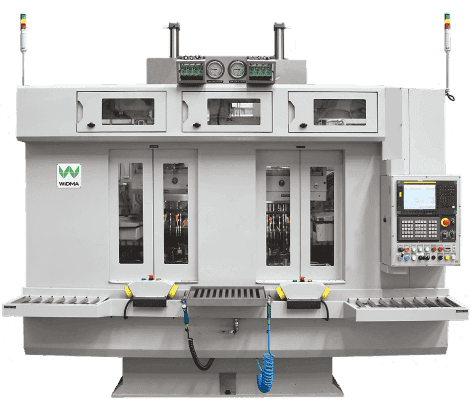
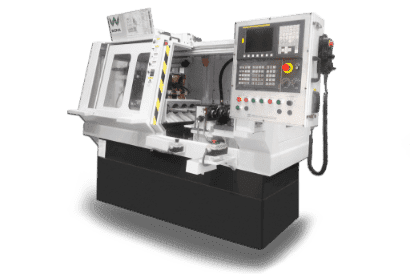
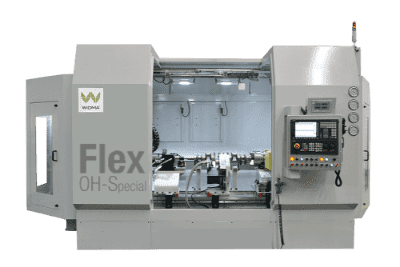
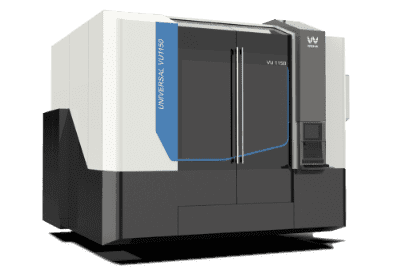



Automotive manufacturing operates under constant pressure to deliver high volumes, tight tolerances, and consistent quality while keeping costs under control. As component complexity increases and production timelines shrink, manufacturers are turning to specialised automation to remain competitive. In this environment, multi-spindle machines have emerged as a critical enabler of efficiency in automotive production.
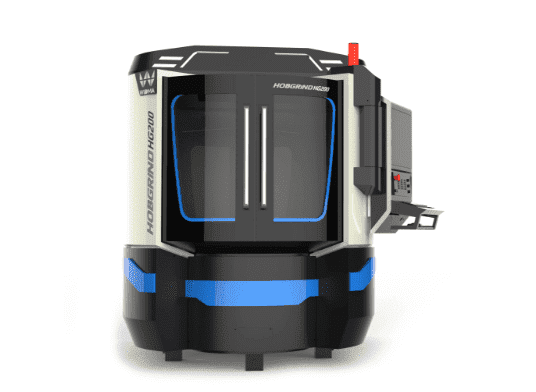
Designed for high-output, repetitive operations, multi-spindle special-purpose machines streamline machining processes by performing multiple operations simultaneously. This capability makes them particularly well-suited to the demands of modern automotive manufacturing.
The Need for High-Throughput Solutions in Automotive Manufacturing
Automotive components such as engine blocks, transmission housings, brake components, and steering parts require precision machining at scale. Conventional single-spindle machines, while flexible, often struggle to meet the throughput demands of high-volume automotive lines.
Multi-spindle machines address this challenge by consolidating multiple machining operations into a single cycle. By reducing handling, setup changes, and non-productive time, these machines help automotive manufacturers achieve consistent output without compromising on quality.
What Are Multi-Spindle Special Purpose Machines?
Multi-spindle special-purpose machines are application-specific systems equipped with multiple spindles that operate concurrently. Each spindle is dedicated to a specific machining operation, such as drilling, tapping, boring, or reaming.
In automotive manufacturing, multi-spindle machines are typically designed around a specific component family. This application-driven design ensures optimal cycle times, stable machining conditions, and long-term reliability in continuous production environments.
How Multi-Spindle Machines Improve Production Efficiency
The primary advantage of multi-spindle machines lies in their ability to perform multiple operations simultaneously. Instead of machining features sequentially, these machines complete multiple tasks in parallel.
This approach delivers several efficiency gains:
- Shorter cycle times per component
- Higher machine utilisation
- Reduced work-in-progress inventory
- Predictable and repeatable production rates
For automotive lines running thousands of parts per shift, even small cycle time reductions translate into significant productivity improvements.
Reducing Cycle Time and Increasing Output Consistency
Cycle time reduction is a key performance metric in automotive manufacturing. Multi-spindle systems are engineered to minimise idle time between operations by synchronising spindle movements and feeds.
Because all spindles operate within a single, rigid structure, multi-spindle machines also reduce variation caused by part repositioning or multiple setups. This results in consistent dimensional accuracy and stable process capability across long production runs.
Role of Automation and Integration in Automotive Lines
Modern automotive plants rely heavily on automation to maintain efficiency and traceability. Multi-spindle special-purpose machines are designed to integrate seamlessly with automated production lines.
Typical integration features include:
- Automated loading and unloading systems
- Conveyor or pallet-based material handling
- Interface with production monitoring and quality systems
By combining automation with multi-spindle machines, manufacturers can build closed-loop production cells that operate with minimal operator intervention while maintaining high levels of process control.
Improving Quality and Reducing Rework
Quality consistency is critical in automotive manufacturing, where even minor deviations can lead to assembly issues or warranty risks. Multi-spindle machines help improve quality by machining multiple features in a single setup under controlled conditions.
This reduces cumulative tolerance errors and ensures better alignment between features. As a result, multi-spindle machines contribute to lower scrap rates, reduced rework, and improved first-pass yield.
Typical Automotive Applications for Multi-Spindle Machines
Multi-spindle special-purpose machines are widely used in automotive manufacturing for components that require repetitive and precise machining. Common applications include:
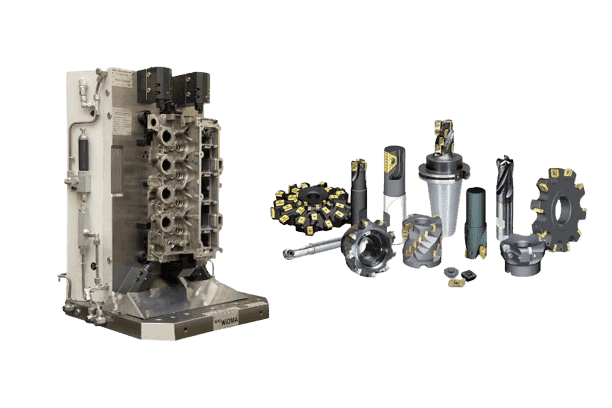
- Engine components such as cylinder heads and blocks
- Transmission and gearbox housings
- Brake and suspension components
- Steering and axle parts
In each of these applications, multi-spindle machines enable high-speed production while maintaining the dimensional accuracy required for reliable vehicle performance.
Long-Term Cost and Operational Benefits
Although multi-spindle machines represent a higher initial investment compared to general-purpose machines, their long-term cost advantages are significant. Higher throughput, reduced labour dependency, and lower scrap rates contribute to a reduced cost per component over time.
For automotive manufacturers operating at scale, multi-spindle machines offer a strong return on investment by stabilising production costs and supporting consistent output.
Conclusion
As automotive manufacturing continues to evolve, efficiency, consistency, and scalability have become essential requirements. Multi-spindle special-purpose machines directly address these needs by combining high-speed machining with precision and automation.
By adopting multi-spindle machines, automotive manufacturers can maximise productivity, reduce cycle times, and maintain the quality standards demanded by modern vehicle platforms. In high-volume production environments, these machines are not just an advantage. They are a strategic necessity.